




️ From Barracks to Backyard: The Veteran's Tactical Guide to Maintaining Peak Physique at Home
For many veterans, leaving active duty means leaving behind a highly structured lifestyle. No more 0600 PT formation, no more mandatory runs, and certainly no more perfectly balanced chow hall meals. While the freedom of civilian life is a blessing, it often comes with an unintended side effect: the dreaded "post-service weight gain."
Without the daily physical demands of military life—rucking, obstacle courses, and constant movement—your body's caloric needs drop drastically. Combine that with the stress of a new career, sitting at a desk for 8 hours, or family life, and you have a recipe for losing the hard-earned physique you built during your service. Your metabolism takes a "strategic retreat," and those stubborn pounds start to accumulate around the waistline.
But here is the good news: You don't need a government-issued gym or hours of free time to stay combat-ready. You just need to adapt your strategy. Here is your comprehensive tactical guide to maintaining your edge in the comfort of your own home.
Phase 1: Nutrition – Fueling the Civilian Machine
In the service, you burned fuel like a fighter jet. In civilian life, you might be driving a sedan. If you keep filling a sedan with jet fuel, it’s going to overflow.
1. Master the "Plate Method"
Forget complicated calorie counting apps for a moment. Go back to basics. Visualize your dinner plate:
- 50% Vegetables: Fill half your plate with greens (broccoli, spinach, asparagus). This provides volume and fiber to keep you full without the calories.
- 25% Lean Protein: A palm-sized portion of chicken breast, lean beef, fish, or eggs. Protein is non-negotiable—it preserves the muscle mass you fought so hard to build.
- 25% Complex Carbs: Sweet potatoes, brown rice, or quinoa. Save these for after your workout when your muscles actually need the glycogen replenishment.
2. Beware of the "Weekend Warrior" Trap
It’s easy to slip into the habit of Friday night beers and weekend takeout. Alcohol is a double-edged sword: it halts fat burning immediately and lowers your inhibitions, leading to poor food choices. Try to limit alcohol to special occasions, and when you do drink, alternate every beer with a glass of water. Hydration is the cheapest performance enhancer available.
3. Meal Prep Like a Pro
You wouldn't go on a mission without planning your supplies. Don't go into a work week without your nutrition sorted. Spend Sunday afternoon prepping your proteins and chopping your veggies. When healthy food is ready to eat, you won't reach for the drive-thru menu after a long day at the office.
"I thought my 'dad bod' was inevitable after hanging up the uniform. But once I treated my kitchen like a supply depot—fueling instead of just filling—I dropped 20 lbs in two months without feeling starved. It's all about discipline."
— Marcus T., Army Veteran & Father of Two
Phase 2: Training – Protecting the Asset (Your Body)
Many veterans carry the invisible scars of service—worn knees, aching lower backs, and stiff shoulders from years of rucking, jumping, and carrying heavy loads.
The biggest mistake veterans make when trying to get back in shape is training like they are still 19 and in boot camp. Heavy barbell training and high-impact plyometrics aren't always the answer anymore. You need controlled resistance and joint-sparing movements. The goal is to stimulate the muscle without grinding your joints into dust.
Here is a battle-tested routine designed to rebuild your armor while respecting your body's history.
The "Old Salt" Full-Body Routine
Perform this routine 3 times a week. Focus on form over ego.
1. The Foundation: Lower Body Strength
- Goblet Squats (3 sets of 10-12 reps): Instead of a heavy bar on your spine, hold a single weight at your chest. This forces you to keep your torso upright, significantly reducing shear force on your lower back while torching your quads and glutes.
- Romanian Deadlifts (3 sets of 12 reps): Essential for posterior chain health. Focus on the stretch in your hamstrings. This movement counteracts the tightness caused by sitting at a desk all day.
2. The Armor: Upper Body Push & Pull
- Push-Ups / Chest Press (3 sets to failure): A classic for a reason. If you have a cable system, switch to a chest press to get a deeper stretch and constant tension without shoulder impingement.
- Face Pulls (3 sets of 15 reps): Crucial for veterans. Years of hunching over rifles or desks ruin your posture. Face pulls strengthen the rear delts and rotator cuff, pulling your shoulders back and alleviating neck pain.
3. The Detail Work: Arms & Core
- Hammer Curls (3 sets of 12 reps): Builds the brachialis for arm thickness and strengthens the grip—vital for overall functional strength.
- Planks (3 sets, hold for 45-60 seconds): Skip the sit-ups; they can aggravate old back injuries. Planks build a rock-solid core that protects your spine in daily life.
"After 12 years in the Marines, my knees were shot. I stopped lifting heavy iron because the joint pain wasn't worth it. Switching to controlled cable movements gave me my strength back without the morning stiffness. Now I'm stronger than I was at discharge."
— Sarah L., Marine Corps Veteran
Phase 3: The Ultimate Home Base – Vimexciter
The biggest barrier to working out after service? Logistics. Driving to a commercial gym, waiting for equipment, dealing with crowded spaces, and the sheer time commitment can feel like a waste of resources.
To execute the plan above effectively, you need versatile equipment that fits your life. Enter the Vimexciter Foldable Wall-Mounted Fitness System—the perfect solution for the veteran who values efficiency, space, and longevity.
- Compact & Stealthy: Whether you live in a small apartment or a house where every square foot counts, Vimexciter respects your space. Its innovative foldable design means it tucks away flat against the wall when not in use. It’s the ultimate "stealth" gear—no clutter, no excuses, just results.
- Joint-Sparing Technology: Unlike traditional iron weights that rely on gravity and momentum (which can jerk your joints), Vimexciter uses intelligent variable resistance. It adapts to your strength curve, reducing strain on your knees and shoulders during the vulnerable parts of a movement while maximizing tension on the muscle. It is hands-down the smartest way to train around old injuries.
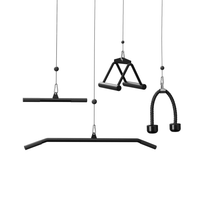
- Mission Ready Anytime: Wake up early? Train before the kids get up. Got a lunch break? Knock out a set. With a full cable system mounted on your wall, your "gym" is always open. You can easily perform rows, tricep pushdowns, bicep curls, and lateral raises—all the movements needed to maintain a tactical physique.
"Living in a city apartment, I didn't have room for a squat rack. The Vimexciter was a game-changer. I fold it down after my morning session, and my living room is just a living room again. It's efficient, quiet, and gets the job done."
— David R., Air Force Veteran & Urban Professional
The Mission Continues
Your service may have changed, but your discipline hasn't. Maintaining your physical fitness isn't just about vanity or fitting into an old uniform; it's about mental resilience, setting an example for your family, and being ready for whatever life throws at you.
Don't let the civilian lifestyle soften your edge. Adapt your nutrition, train smarter, and equip your home with the tools you need to stay strong.
Honor your past by building your future.


Leave a comment
This site is protected by hCaptcha and the hCaptcha Privacy Policy and Terms of Service apply.