



Summer and fall feel completely different.
The long, hot days of summer encourage us to get outside. Running, hiking, swimming, cycling, and travel can naturally become part of an active lifestyle.
Then September arrives.
Temperatures begin to cool, daylight gradually becomes shorter, vacations end, and everyday routines return.
Should your workouts change too?
For many people, the answer is yes.
The transition from summer to fall is an excellent opportunity to adjust your training strategy—from simply staying active to building a more structured strength routine.
Summer Fitness Is Often About Movement
Summer naturally creates opportunities to move.
You might walk more while traveling, spend weekends hiking, swim at the beach, cycle outdoors, or play sports with friends and family.
These activities can be excellent for cardiovascular fitness, endurance, and overall health.
But they don't always provide a structured approach to progressive strength training.
You may be very active during summer without consistently training major movement patterns such as:
- Squatting
- Hinging
- Pushing
- Pulling
- Loaded carrying
- Resistance-based core work
As summer winds down, fall creates an opportunity to bring structure back.
Fall Is a Great Time to Focus on Strength
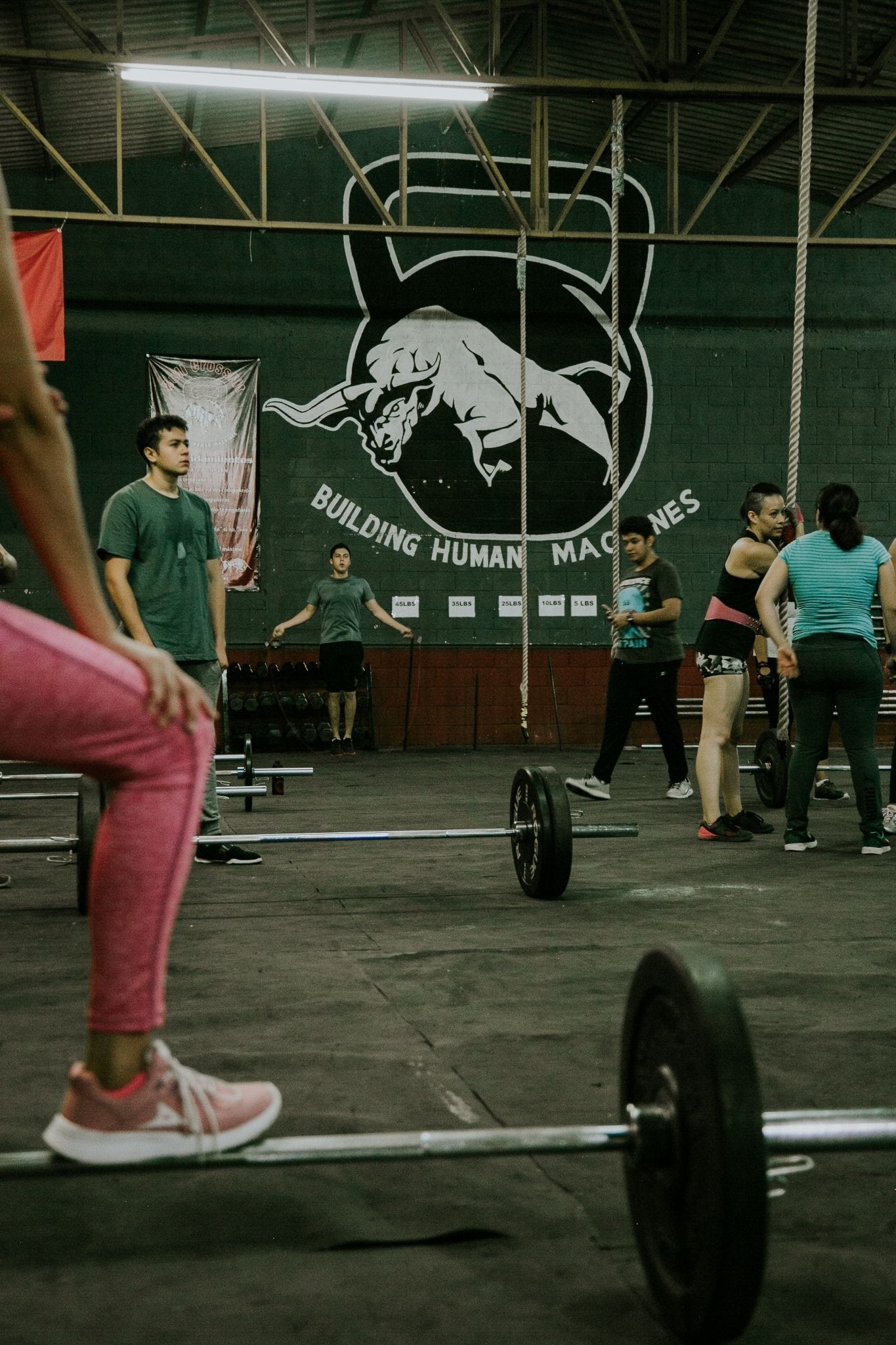
Cooler weather and more predictable schedules can make fall an ideal season for strength training.
Instead of trying to fit workouts around vacations and outdoor plans, you can establish a consistent weekly program.
For example:
Monday — Upper Body
Wednesday — Lower Body
Friday — Full Body
Or simply perform three full-body sessions every week.
The exact program matters less than consistency.
Strength training also complements the cardiovascular activity many people accumulate during summer.
Rather than completely abandoning running, walking, or cycling, fall can be the season when you create a better balance between cardio and resistance training.
Hot Weather Changes How You Train
Summer heat can affect the way exercise feels.
Outdoor workouts may require greater attention to hydration, temperature, sun exposure, and workout timing.
Many people move their workouts to early morning or evening simply to avoid the hottest part of the day.
Fall often removes some of those limitations.
Cooler temperatures can make outdoor cardio more comfortable, while indoor strength training provides a reliable option regardless of rain, wind, or changing daylight.
This makes fall particularly suitable for a hybrid routine:
Outdoor cardio + indoor strength training.
Your Fall Training Goal: Build, Don't Just Burn
Summer fitness marketing often focuses heavily on calorie burning.
Beach body.
Summer shred.
Burn more.
Sweat more.
But fitness shouldn't only be about how many calories you can burn.
Fall is a good time to shift the goal toward building.
Build strength.
Build muscle.
Build stability.
Build mobility.
And most importantly, build habits.
Resistance training gives you measurable ways to progress.
Instead of asking how exhausted you feel after a workout, you can track:
- Resistance
- Repetitions
- Sets
- Range of motion
- Exercise difficulty
- Training consistency
That makes progress easier to evaluate over time.
Why Home Strength Training Makes Sense in Fall
As daylight becomes shorter and schedules get busier, convenience becomes increasingly important.
Driving to the gym on a dark or rainy evening isn't always appealing.
Training at home removes that decision.
This is where compact strength equipment becomes especially valuable.
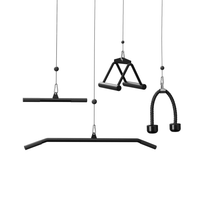
The VIMEXCITER MF03 and MF04 Wall-Mounted Home Gyms are designed to bring full-body cable training into the home while minimizing the amount of floor space required.
Instead of purchasing separate machines for chest, back, arms, and legs, one wall-mounted training station can support dozens of movements.
You can move from a chest press to a row, then lower the cable position for squats or Romanian deadlifts—all within the same training area.
For fall training, that means fewer excuses when the weather changes.
Summer Cardio + Fall Strength: You Don't Have to Choose
Moving into fall doesn't mean you should stop the activities you enjoyed during summer.
Keep them.
If you love running, continue running.
If you enjoy cycling, keep riding while the weather allows.
If weekend hikes are part of your routine, there's no reason to stop.
Simply add structured resistance training around those activities.
A balanced week might look like this:
Monday: Full-Body Strength
Tuesday: Walking or Light Cardio
Wednesday: Full-Body Strength
Thursday: Rest or Mobility
Friday: Full-Body Strength
Saturday: Hiking, Cycling, or Running
Sunday: Recovery
This creates a more complete fitness routine without forcing you to choose between strength and cardiovascular exercise.
Use Resistance That Progresses With You
Another difference between casual summer activity and structured fall training is progression.
Your body adapts.
If you repeatedly perform exactly the same workout at exactly the same difficulty, progress eventually slows.
That's why resistance training should evolve.
VIMEXCITER uses VRT Variable Resistance Technology, designed to provide a changing resistance profile throughout the movement.
Combined with adjustable resistance levels and cable-based movement, this gives users the flexibility to gradually increase training difficulty as strength improves.
Whether you're performing a press, row, squat, curl, or functional movement, the goal is the same:
Create enough challenge to stimulate progress while maintaining controlled technique.
Try This Fall Full-Body Workout
Here's a simple routine to help transition from summer activity into fall strength training.
Lower Body
Squat — 3 × 10–12
Romanian Deadlift — 3 × 10
Reverse Lunge — 2 × 10 each leg
Upper Body
Chest Press — 3 × 10
Cable Row — 3 × 10
Lat Pulldown — 3 × 10
Shoulders and Arms
Lateral Raise — 2 × 12
Biceps Curl — 2 × 12
Triceps Extension — 2 × 12
Core
Cable Wood Chop — 2 × 10 each side
Adjust the resistance to your current fitness level and focus on controlled repetitions.
Different Season, Different Opportunity
You don't need to completely reinvent your fitness routine every season.
But seasonal changes can be useful reminders to reassess what you're doing.
Summer encourages exploration and movement.
Fall encourages routine and progression.
Use both.
Keep the outdoor activities that make you feel good, then add structured strength training to build a more complete fitness foundation.
And when the weather doesn't cooperate, having a VIMEXCITER Wall-Mounted Home Gym means your strength workout is still waiting for you—without leaving home.
Summer may be ending.
Your progress doesn't have to.



Leave a comment
This site is protected by hCaptcha and the hCaptcha Privacy Policy and Terms of Service apply.