




In the pantheon of fitness goals, few are as universally desired as the "sleeve-busting" arm. Whether it is to fill out a t-shirt or to display a silhouette of power, arm development is often the primary metric by which gym-goers judge their progress. However, for many, the arms remain stubbornly average despite hours of curling and pushing. The reason is rarely a lack of effort, but rather a lack of biomechanical understanding. To truly maximize arm growth, one must move beyond the "bro-science" of endless repetitions and embrace the physiology of hypertrophy, specifically targeting the often-neglected mechanics of the triceps and the nuances of tension.
The Tricep Dominance: The Two-Thirds Rule
The single most common mistake in arm training is the over-prioritization of the biceps. While the "peak" of the bicep is the flashy muscle that gets the most attention in the mirror, the reality of arm size is dictated by the triceps. The triceps brachii makes up approximately two-thirds of the total muscle mass of the upper arm. If you want your arms to look bigger, even when hanging by your side, you must prioritize the posterior chain.
The triceps is a three-headed muscle (long, lateral, and medial). To maximize growth, you cannot simply do one movement. You must attack it from different angles. The long head, which contributes most to the mass of the arm, is best activated when the arm is raised overhead (e.g., overhead extensions). The lateral head, responsible for the "horseshoe" shape, responds best to heavy pushing movements and downward pressure. Ignoring the triceps in favor of bicep curls is akin to trying to fill a bucket that has a hole in the bottom—you are working hard, but the structural volume simply isn't there.
The Bicep Blueprint: Beyond the Standard Curl
While the triceps provides the mass, the biceps provide the shape. The biceps brachii consists of the long head and the short head. However, true arm width and thickness come from the brachialis and the brachioradialis (forearm), which sit underneath and alongside the biceps.
To maximize this, one must incorporate "hammer curls." By keeping the palms facing each other (neutral grip), you shift the emphasis to the brachialis. Developing this muscle pushes the biceps up from underneath, creating a wider, more three-dimensional look. Furthermore, the biceps respond exceptionally well to the "stretch" position. Exercises like the incline dumbbell curl, where the elbows are behind the torso, place the muscle under tension while lengthened, a key trigger for hypertrophy.
Variable Resistance: The Key to Breaking Plateaus
This is where the science of Variable Resistance Training (VRT) becomes a game-changer for arm development. In traditional barbell curls or tricep pushdowns, the resistance is constant, but your strength is not. In a standard bicep curl, the movement is hardest at the midpoint and easiest at the top (when the muscle is fully contracted) and the bottom (when the tendon takes the load). This leaves "dead zones" in the movement where the muscle is not being maximally stimulated.
Vimexciter home gym system solves this by utilizing VRT to match the resistance curve of your arm.
- For Biceps: As you curl and your mechanical advantage increases, the Vimexciter motor increases resistance. This ensures that the "squeeze" at the top is not just a celebration of finishing the rep, but the hardest part of the movement, driving maximum blood into the muscle (the pump) and recruiting high-threshold motor units.
- For Triceps: During extensions, VRT keeps tension high even as you lock out, preventing the elbows from resting and keeping the tricep fibers under continuous tension.
The "Pump" and Recovery: Feeding the Growth
Arms are vascular muscles; they respond incredibly well to blood flow and metabolic stress. This is why the "pump" is not just vanity—it is a physiological signal. The accumulation of metabolites (lactate, inorganic phosphate) during high-repetition, high-tension sets triggers the release of growth factors.
However, because the arms are involved in almost every upper-body movement (back day, chest day), they are prone to overtraining. This is why the Vimexciter approach is superior for recovery. By using smart resistance that protects the joints (specifically the elbows and shoulders) during the vulnerable ranges of motion, you reduce the systemic fatigue and joint inflammation associated with heavy iron. This allows you to train arms with higher frequency and intensity without the risk of tendonitis.
The Ultimate Arm Protocol
To achieve peak growth, structure your arm day to prioritize the triceps first, utilize VRT for constant tension, and finish with a stretch.
- Overhead Tricep Extension (VRT Mode): 3 sets of 10-12 reps. Focus on the deep stretch of the long head.
- Tricep Pushdowns (VRT Mode): 3 sets of 12-15 reps. Focus on the lateral head and the squeeze.
- Standing Bicep Curls (VRT Mode): 3 sets of 10-12 reps. Use the variable resistance to crush the top contraction.
- Hammer Curls: 3 sets of 12-15 reps. Focus on the brachialis for width.
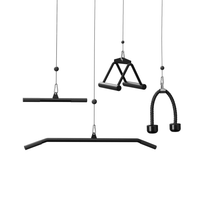
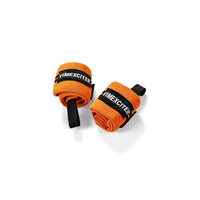
- Wrist Curls/Reverse Curls: 2 sets to failure. Don't neglect the forearms; they frame the arm.
By respecting the anatomy of the arm and utilizing technology that respects your biomechanics, you can finally unlock the growth that has been stalling. It is not just about lifting heavy; it is about lifting smart. With Vimexciter, you aren't just moving weight; you are engineering growth.
Most lifters over-focus on the biceps. To build real size, you must prioritize the triceps. Using the dual-cable pulley system for overhead extensions and pushdowns ensures that your muscles never catch a "break" at the top or bottom of the movement.
Bicep Peak Science
By utilizing the adjustable height of your VRT cable system, you can hit the long head and short head with surgical precision. Bayesian Curls (behind-the-body) and High Cable Curls are the keys to building that elusive peak.
Built for the Modern Athlete
Ready to see real growth? Our VRT systems provide the professional-grade tension your arms demand.
Explore VRT Systems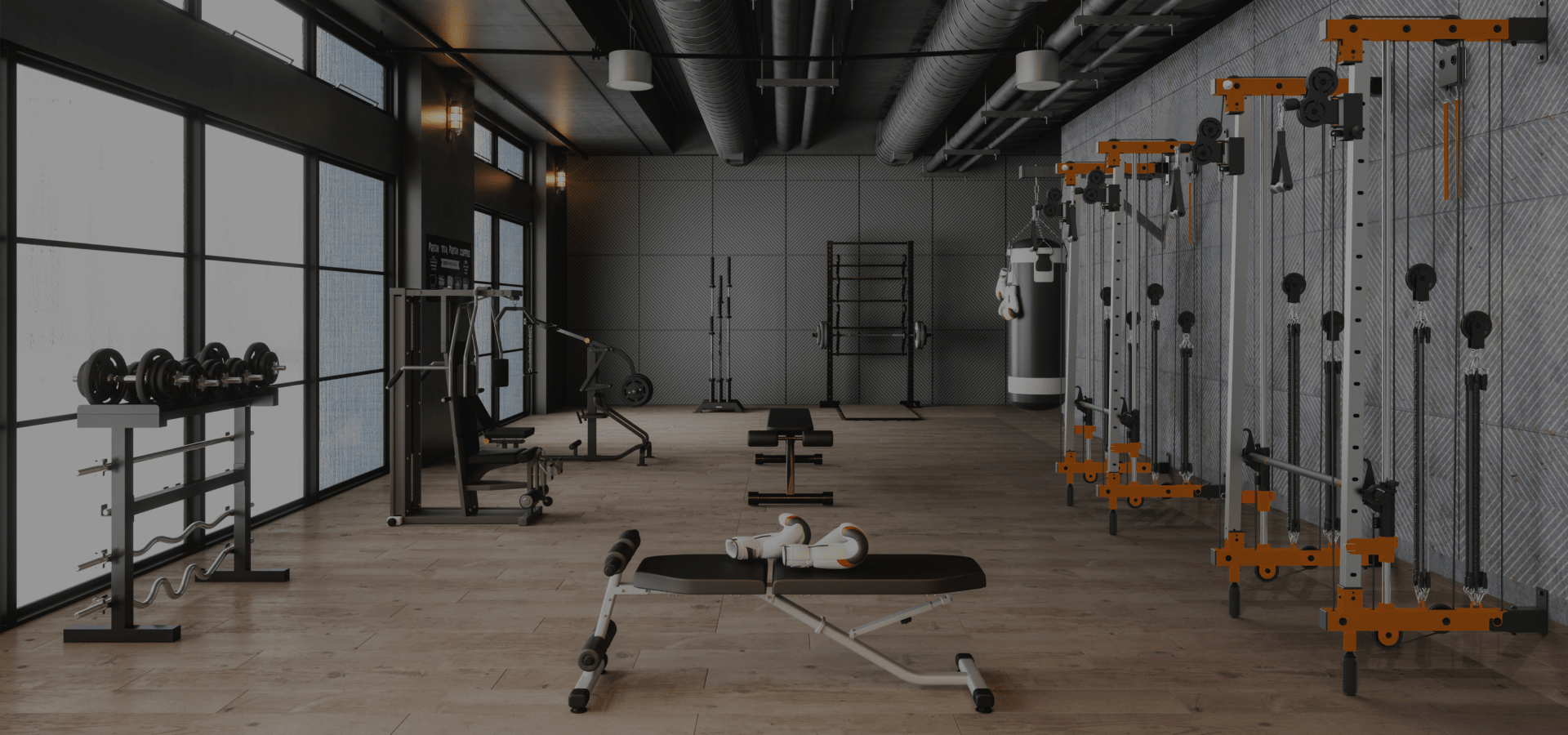

Leave a comment
This site is protected by hCaptcha and the hCaptcha Privacy Policy and Terms of Service apply.